 Skip to main content
Factory Canteen & Break Room Hygiene: FSSAI-Aligned Cleaning Standards for Industrial Facilities
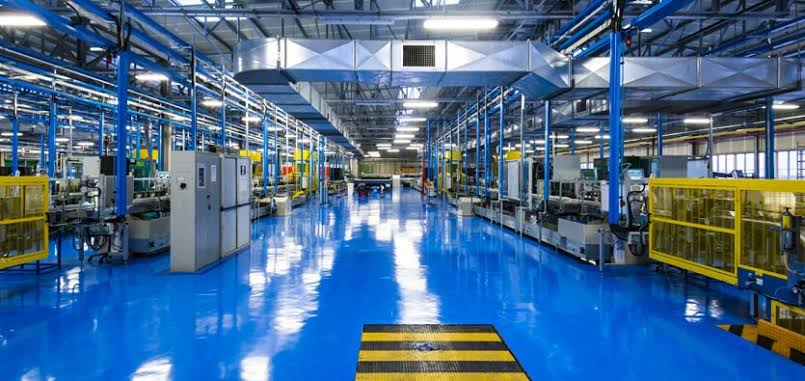
Factory canteens and break rooms don’t get the same attention as production floors when it comes to compliance and safety planning — but they should. These are food-handling and food-consumption spaces inside an industrial facility, which means hygiene standards matter just as much here as they do in the core production process, both for worker health and for regulatory compliance.
This guide covers what factory canteen and break room hygiene should realistically look like in an Indian industrial facility, and how cleaning practices align with the broader food safety principles that FSSAI (Food Safety and Standards Authority of India) promotes for food-handling spaces.
Why Canteen Hygiene Is a Compliance Issue, Not Just Housekeeping
A factory canteen is, functionally, a food-service operation operating inside a manufacturing facility. That brings a few realities:
- Worker health impact — poor canteen hygiene directly affects employee health, and outbreaks of foodborne illness in a factory setting can affect large numbers of workers at once.
- Regulatory relevance — food-handling and food-service areas are subject to food safety principles, and facilities operating in-house catering or canteen services should align their hygiene practices accordingly.
- Audit visibility — canteens are often included in broader facility audits (client, ISO, or internal), and neglected hygiene here can reflect poorly on the facility’s overall standards.
- Productivity impact — foodborne illness outbreaks, even minor ones, can lead to absenteeism and disrupted production schedules.
Core Hygiene Principles for Factory Canteens
While specific requirements should always be verified against current FSSAI guidelines and any state-specific regulations applicable to your facility, the core hygiene principles that food safety standards generally emphasize include:
- Clean, sanitized food preparation and serving surfaces
- Proper waste management and disposal
- Pest control and prevention
- Clean water supply and handwashing facilities
- Personal hygiene practices for food handling staff
- Proper storage of raw materials and prepared food
- Regular deep cleaning, not just daily surface wiping
Canteen & Break Room Cleaning Checklist
Daily
- Clean and sanitize all food preparation surfaces before and after use
- Wipe down dining tables and seating areas after each meal shift
- Empty and clean waste bins, using appropriately lined and covered bins for food waste
- Clean and restock handwashing stations with soap and clean water
- Sweep and mop canteen and break room floors
Weekly
- Deep clean kitchen equipment (if on-site cooking is done) — stoves, exhaust areas, storage units
- Sanitize refrigeration units and check for temperature compliance
- Clean seating furniture thoroughly, including underside and joints where food residue collects
- Deep clean floor drains and grouting in food preparation areas
Monthly
- Full deep clean of the canteen space, including walls, ceiling fans, and light fixtures
- Pest control inspection and treatment, if not covered under a separate facility-wide contract
- Deep clean of exhaust systems and ventilation in cooking areas
- Inspection and cleaning of storage areas for raw materials and dry goods
Quarterly
- Comprehensive hygiene audit-style deep clean aligned with any internal or external compliance checks
- Review and deep clean of water storage and supply systems feeding the canteen
Common Gaps in Factory Canteen Hygiene
- Underestimating break room hygiene — break rooms without on-site cooking are often cleaned less rigorously than canteens, even though they’re still food-consumption spaces requiring proper waste management and surface sanitation.
- Inconsistent deep cleaning — daily wiping happens, but monthly and quarterly deep cleans (exhaust systems, storage areas, drains) are frequently skipped until a problem arises.
- Waste management gaps — food waste bins that aren’t emptied frequently enough become a source of pest attraction and odor issues.
- Neglected water systems — water storage tanks and supply lines feeding canteen areas need periodic cleaning and inspection, which is easy to overlook since it’s not visibly dirty on a daily basis.
Building a Documented Hygiene Routine
Just as with production-area housekeeping, canteen hygiene benefits from being scheduled and documented rather than handled informally. A simple daily/weekly/monthly checklist, with sign-offs from whoever performs the cleaning, creates a record that’s useful both for internal accountability and for demonstrating compliance during audits.
Why Specialized Cleaning Support Helps
Canteens and food-handling areas require cleaning approaches distinct from general factory housekeeping — food-safe sanitizing agents, proper handling of waste streams, and attention to areas (exhaust systems, storage units, water systems) that don’t fall under typical production-floor cleaning routines. A cleaning partner experienced in food-service hygiene, alongside general industrial cleaning, ensures these spaces get the specific attention they need.
Pinkclean provides deep cleaning services for factory canteens, break rooms, and food-handling areas as part of its broader industrial cleaning offering across India — helping facilities maintain hygiene standards that support both worker wellbeing and audit readiness.
Note: This article provides general hygiene guidance. Facilities should refer to current FSSAI regulations and any applicable state/local food safety requirements to confirm specific compliance obligations for their canteen operations.
Want to strengthen hygiene standards in your factory canteen or break room? Talk to Pinkclean about a customized cleaning plan.
