 Skip to main content
Commercial Kitchen Exhaust & Grease Trap Cleaning: A Fire Safety and Compliance Guide
Quick answer: Commercial kitchen exhaust hoods, ductwork, and grease traps should be professionally cleaned on a schedule based on cooking volume — monthly for high-volume or high-oil kitchens, quarterly for standard restaurants — since grease buildup in these systems is a leading cause of commercial kitchen fires and a common point of failure in hygiene and fire-safety inspections.
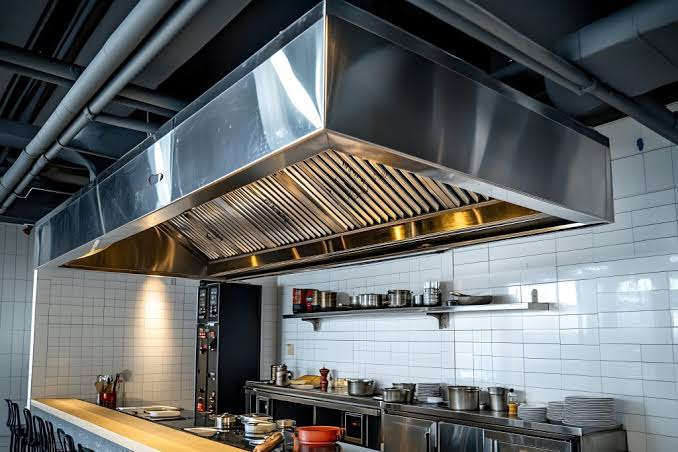
Grease is one of the most underestimated hazards in a commercial kitchen. It’s easy to associate grease buildup with a dirty-looking stovetop, but the real risk sits out of sight — inside exhaust hoods, ductwork, and grease traps, where accumulated residue is highly combustible and a well-documented cause of commercial kitchen fires. It’s also one of the most consistently cited issues in both food safety and fire safety inspections.
This guide covers why exhaust and grease trap cleaning matters beyond appearance, and what a proper cleaning schedule should look like.
Why Exhaust & Grease Trap Cleaning Is a Fire Safety Issue, Not Just Hygiene
- Grease is highly flammable — once it accumulates inside exhaust ductwork, it can ignite from heat, sparks, or flare-ups near cooking equipment, and fire inside ductwork spreads rapidly and is difficult to detect early.
- Exhaust systems concentrate heat and grease together — the exact combination that creates fire risk, especially in kitchens with high-oil cooking methods like frying, grilling, or tandoor cooking.
- Grease traps prevent drainage blockages and sewage backups, but if not cleaned regularly, they contribute to odor issues, pest attraction, and drainage system failures.
- Insurance and compliance implications — many commercial insurance policies for food establishments require documented exhaust cleaning records, and fire safety inspections often check maintenance logs specifically.
How Grease Buildup Happens
Every time food is cooked with oil, some grease vaporizes and travels through the exhaust system before condensing on interior surfaces — hood filters, ductwork walls, and fan components. Over time, this creates a layered buildup that:
- Reduces exhaust system efficiency, making the kitchen hotter and less comfortable to work in
- Increases fire risk with every additional layer of accumulated grease
- Can eventually restrict airflow enough to affect cooking equipment performance
The rate of buildup depends heavily on cooking volume and method — a kitchen doing high-volume frying will accumulate grease far faster than one focused on steaming or boiling.
Recommended Cleaning Frequency
| Kitchen Type | Exhaust Hood & Filter Cleaning | Full Ductwork Cleaning | Grease Trap Cleaning |
|---|---|---|---|
| High-volume/high-oil (frying, grilling, tandoor) | Weekly to monthly | Monthly to quarterly | Monthly |
| Standard restaurant kitchen | Monthly | Quarterly | Quarterly |
| Hotel banquet/event kitchen | Based on event frequency | Quarterly to semi-annual | Quarterly |
| Low-volume cafe/light cooking | Quarterly | Semi-annual | Quarterly |
These are general baselines — kitchens should adjust based on actual observed grease accumulation rather than relying solely on a fixed calendar, since cooking volume can vary seasonally.
What Professional Exhaust & Grease Trap Cleaning Involves
Exhaust Hood & Filter Cleaning
- Removal and degreasing of hood filters
- Cleaning of hood interior and exterior surfaces
- Inspection for grease accumulation patterns indicating airflow issues
Ductwork Cleaning
- Access-point cleaning of interior ductwork surfaces
- Removal of accumulated grease along duct pathways
- Inspection for any damage or corrosion caused by grease buildup
Grease Trap Cleaning
- Removal of accumulated grease, oil, and food solids from the trap
- Cleaning of trap walls and mechanisms
- Proper disposal of removed grease in compliance with waste management regulations
- Inspection for any drainage blockages or wear
Warning Signs Your Exhaust System Needs Attention
- Visible grease dripping or pooling on hood exterior surfaces
- Persistent smoky or greasy smell in the kitchen despite exhaust running
- Reduced airflow or ventilation effectiveness noticeable during cooking
- Slower-than-normal draining near grease trap-connected fixtures
- Any visible grease buildup on ceiling tiles or walls near cooking stations
Compliance & Documentation Checklist
- Maintain dated cleaning records for exhaust hood, ductwork, and grease trap servicing
- Confirm cleaning frequency aligns with your kitchen’s actual cooking volume, not just a generic schedule
- Verify grease disposal complies with local waste management requirements
- Keep records accessible for fire safety and food safety inspections
- Schedule professional cleaning rather than relying solely on in-house wipe-downs for ductwork and traps, which require specialized access and equipment
Frequently Asked Questions
How do I know if my kitchen’s exhaust system needs cleaning more often than the standard schedule? Visible grease buildup, persistent odors, or reduced ventilation effectiveness are signs your actual cooking volume requires more frequent cleaning than a generic quarterly schedule.
Can grease trap cleaning be done without professional help? While basic maintenance can be done in-house, thorough grease trap cleaning typically requires specialized equipment and proper waste disposal procedures that professional services are equipped to handle correctly and in compliance with regulations.
Is exhaust cleaning really a fire risk, or mostly a hygiene issue? Both — but the fire risk is significant and well-documented; accumulated grease in exhaust ductwork is flammable and a recognized cause of commercial kitchen fires, making this a genuine safety issue beyond hygiene.
How does exhaust cleaning frequency affect insurance or compliance? Many commercial insurance policies for food establishments require documented exhaust cleaning as a condition of coverage, and fire safety inspections often specifically request maintenance records — so documentation isn’t just good practice, it can be a compliance requirement.
Treating Exhaust & Grease Trap Cleaning as a Safety Priority
Grease accumulation in exhaust systems and traps is one of the most preventable fire and compliance risks in a commercial kitchen — and one of the easiest to overlook, since the buildup happens out of sight. A scheduled, documented cleaning program addresses both the safety risk and the compliance requirement in one process.
Pinkclean provides professional exhaust hood, ductwork, and grease trap cleaning for restaurants and hotels, with documented service records to support fire safety and food safety compliance — scheduled around your kitchen’s actual cooking volume rather than a one-size-fits-all calendar.
Not sure if your exhaust system is overdue for cleaning? Contact Pinkclean for an assessment and cleaning schedule.
