 Skip to main content
What the Bengaluru Club Inspections Revealed: Cockroach Infestations & Unhygienic Storage — And How to Prevent Them
Quick answer: On August 26, 2026, Karnataka’s Food Safety and Drug Administration inspected eight prominent Bengaluru clubs and found violations including cockroach infestations, unhygienic food-storage conditions, blocked drainage, and improper cutting board use. These are common, preventable issues that regular deep cleaning, pest control, and kitchen maintenance can address before they escalate into regulatory notices.
A special food safety inspection drive at eight well-known Bengaluru clubs — including Bowring Club, Century Club, and the Karnataka State Cricket Association (KSCA) Club — resulted in notices being issued after officials found unhygienic kitchen and storage conditions. The inspections, conducted under the Food Safety and Standards Act, 2006, offer a useful, real-world look at exactly the kind of violations that trigger regulatory action — and how most of them trace back to gaps in routine deep cleaning and pest management.
What the Inspections Found
According to the official inspection report, violations identified across the clubs included:
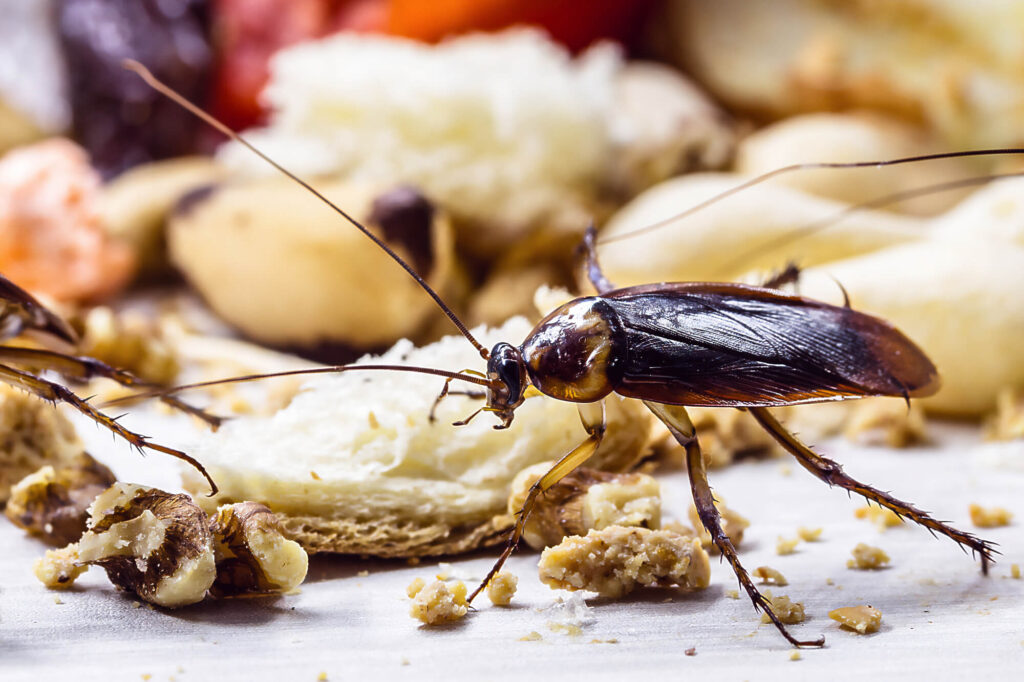
- Cockroach infestations in food-storage areas at multiple locations, including Bowring Club and Century Club
- Unhygienic conditions in food-storage areas, cited at several of the inspected clubs
- Blocked drainage systems in kitchen areas, noted at KSCA Club
- Use of plastic cutting boards, which are generally discouraged in professional food-safety practice due to bacterial retention in surface grooves
- Poor personal hygiene practices and food-labelling violations, also noted at KSCA Club
Notices were issued to the establishments found in violation, as part of the broader statewide enforcement drive.
Why These Specific Violations Matter
These aren’t unusual or obscure failures — they’re among the most common issues found in commercial kitchens generally, which is exactly why they’re worth addressing proactively rather than reactively.
Cockroach Infestations
Pest activity in food-storage areas is almost always a sign of gaps in routine deep cleaning combined with pest control — food residue, unsealed storage, and infrequent deep cleaning of hard-to-reach corners create the conditions pests need to establish themselves. A one-time pest treatment without addressing the underlying cleaning gaps typically sees pests return within weeks.
Unhygienic Storage Conditions
Storage areas are frequently under-cleaned compared to visible, guest-facing kitchen zones, simply because they’re out of sight. Regular deep cleaning of shelving, containers, and storage surfaces — not just periodic restocking — is what prevents this from becoming a violation.
Blocked Drainage
Kitchen drainage systems accumulate grease and food debris over time if not cleaned on a scheduled basis, eventually leading to blockages that create both a hygiene risk and an operational problem.
Cutting Board Hygiene
Plastic cutting boards develop grooves from knife use that trap bacteria even after washing — professional food-safety guidance generally favors composite or properly maintained boards with defined replacement cycles, alongside correct sanitization protocols.
Prevention Checklist: Addressing These Issues Before an Inspection
- Pest control combined with deep cleaning — not pest treatment alone, but paired with thorough cleaning of storage areas, food-prep zones, and hard-to-reach corners where pests establish themselves
- Scheduled storage area deep cleaning — not just restocking, but genuine surface and shelving cleaning on a defined cycle
- Grease trap and drainage cleaning — scheduled, not reactive, to prevent blockages before they occur
- Cutting board and equipment audit — replacing worn boards and following correct sanitization protocols between uses
- Documented cleaning logs — records that can be shown to inspectors, demonstrating an ongoing hygiene program rather than a one-time cleanup
Frequently Asked Questions
Are cockroach infestations common in commercial kitchens? Pest issues are among the most frequently cited violations in food safety inspections generally, and they’re almost always preventable through a combination of regular deep cleaning and professional pest control, rather than either alone.
How often should commercial kitchen storage areas be deep cleaned to prevent these issues? A reasonable baseline is weekly surface cleaning with a full deep clean (including behind and under shelving) monthly, though high-volume kitchens may need more frequent cycles.
Can a single deep clean fix a pest infestation? Not reliably — deep cleaning removes the food sources and conditions that attract pests, but an active infestation typically also needs professional pest control treatment alongside the cleaning.
What should establishments do if they’ve received a similar inspection notice? Address the specific violations cited immediately with a documented deep clean and pest control treatment, and ensure ongoing cleaning schedules are in place before any reinspection, since inspectors generally follow up on previously cited establishments.
Turning an Inspection Finding Into a Fixed Problem
The violations found in this drive — pest infestations, storage hygiene, blocked drains — are common, well-understood problems with clear, preventable solutions. Establishments that treat hygiene as an ongoing, scheduled program rather than a pre-inspection scramble consistently avoid these findings.
Pinkclean provides commercial kitchen deep cleaning, storage sanitization, and pest-prevention focused cleaning for restaurants, clubs, and hospitality establishments across Karnataka — addressing exactly the kind of issues cited in recent inspection drives, with documented cleaning schedules that support ongoing compliance.
Want to get ahead of a potential inspection finding? Contact Pinkclean for a hygiene assessment and deep cleaning plan.
