 Skip to main content

Monsoon Preparedness for Warehouses: Cleaning & Maintenance Checklist for Indian Facilities
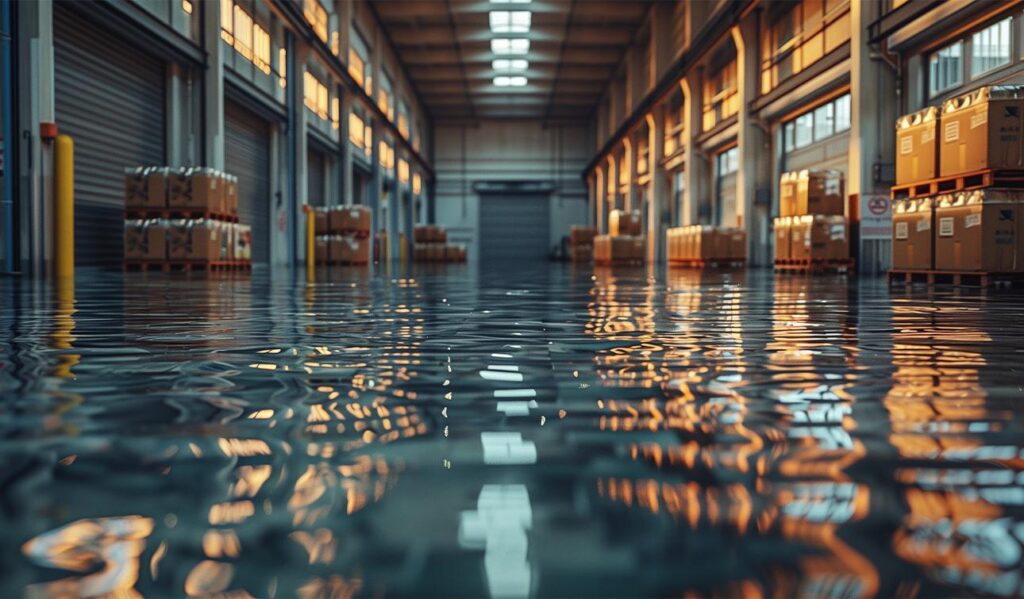
Every year, the monsoon brings the same predictable set of challenges to Indian warehouses and industrial facilities: leaking roofs, water seepage near loading docks, humidity-driven mold growth, slippery floors, and — in the worst cases — damaged inventory. Most of this is preventable with the right preparation before the rains start, rather than reactive cleanup once water is already inside the facility.
This checklist covers what warehouse and facility managers across India should be doing to prepare for monsoon season, with a focus on the cleaning and maintenance tasks that make the biggest difference.
Why Monsoon Preparedness Matters for Warehouses
- Inventory damage — moisture exposure can ruin packaging, damage stored goods, and in food or pharma storage, compromise product safety entirely.
- Structural risks — water seepage into flooring, walls, or foundations causes long-term damage that’s expensive to repair once it sets in.
- Safety hazards — wet, slippery floors near entrances and loading docks are a leading cause of workplace slips and falls during monsoon months.
- Mold and mildew growth — humidity combined with organic residue (packaging, wood pallets, cardboard) creates ideal conditions for mold, which can affect both stored goods and air quality inside the facility.
- Pest activity — monsoon conditions often increase pest activity around facilities, particularly where standing water or damp storage areas are present.
Pre-Monsoon Cleaning & Maintenance Checklist
1. Roof and Ceiling
- Inspect roofing sheets, seals, and joints for cracks or weak points
- Clear debris, leaves, and dust from rooftop drainage channels and gutters
- Clean skylights and roof vents to ensure proper drainage
- Check for any existing water stains on ceilings, which indicate prior leak points needing attention
2. Drainage Systems
- Clear all internal and external drainage channels of debris and silt buildup
- Inspect and clean stormwater drains around the facility perimeter
- Ensure loading dock drainage is functioning and not blocked
- Check that drainage slopes direct water away from the building, not toward entry points
3. Walls and Foundation
- Inspect walls for cracks or gaps where water could seep in
- Clean and check window and door seals for wear
- Address any visible dampness or previous water staining on lower walls
4. Flooring
- Deep clean floors to remove any residue that becomes slippery when wet
- Check floor coatings or sealants for wear, particularly near entrances and dock areas
- Ensure floor mats or anti-slip measures are in place at high-traffic entry points
5. Loading Docks & Entry Points
- Clean and inspect dock levelers and shelters for water ingress points
- Ensure dock seals and canopies are intact and functioning
- Clear surrounding external areas of debris that could block water flow away from the building
6. Storage & Racking Areas
- Deep clean racking structures, particularly lower shelves closer to potential water exposure
- Remove or elevate any inventory stored directly on the floor, especially in flood-prone zones of the facility
- Clear dust and debris from upper racking, which can combine with humidity to encourage mold
7. Ventilation & HVAC
- Clean and inspect ventilation systems to manage humidity effectively
- Check for and clear any mold growth in ducting from the previous season
- Ensure exhaust and intake vents are clear of blockages that could worsen indoor humidity
8. Waste & Organic Material
- Remove cardboard, wood pallets, and packaging waste that can absorb moisture and support mold growth
- Clear any organic debris from external areas around the facility
9. Pest Prevention
- Conduct a pest-prevention focused deep clean, particularly in storage and waste areas
- Seal any gaps or entry points identified during wall and foundation inspection
During-Monsoon Maintenance Routine
Preparation doesn’t stop once the rains begin. A basic during-monsoon routine should include:
- Daily: Check for water ingress near entrances, docks, and known weak points; clear standing water immediately.
- Weekly: Inspect drainage systems for blockages caused by ongoing debris accumulation.
- After heavy rainfall events: Conduct a walkthrough inspection of roofing, walls, and storage areas most at risk.
Post-Monsoon Deep Clean
Once the season ends, a thorough deep clean helps reset the facility and catch any issues that developed during the monsoon:
- Full facility deep clean, including any areas affected by humidity or minor seepage
- Mold and mildew treatment in any affected zones
- Inspection and cleaning of drainage systems before the next dry season buildup begins
- Reassessment of any structural issues identified during the monsoon for repair planning
Why This Requires Planning, Not Just Reaction
Facilities that treat monsoon preparation as a scheduled, pre-season task — rather than responding after water damage occurs — consistently avoid the larger costs associated with inventory loss, structural repair, and operational downtime. A proper pre-monsoon deep clean and inspection, ideally 4-6 weeks before the season starts, gives enough time to address any issues identified before the rains arrive.
Pinkclean provides ISO-certified deep cleaning and pre-monsoon preparation services for warehouses and industrial facilities across India — covering drainage clearing, roof and ceiling area cleaning, floor treatment, and pest-prevention focused cleaning, so your facility is genuinely ready before the season starts.
Want your warehouse monsoon-ready before the season hits? Get in touch with Pinkclean to schedule a pre-monsoon deep clean.
