 Skip to main content

Combustible Dust Hazards in Factories: How Regular Cleaning Reduces Fire & Explosion Risk
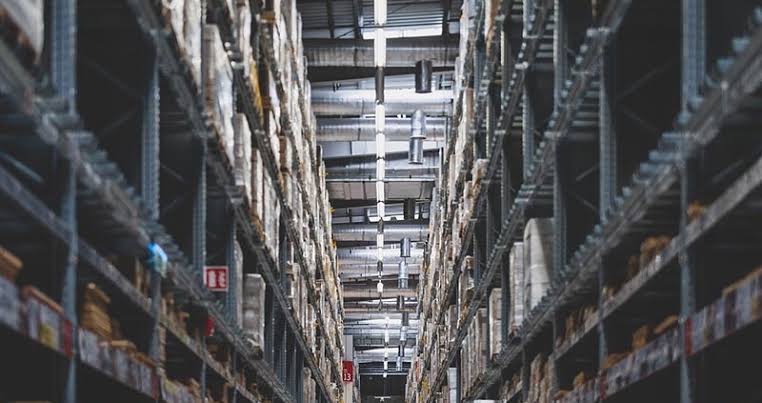
Dust is one of the most underestimated hazards on a factory floor. It’s easy to think of it as a housekeeping issue rather than a safety one — but in facilities that handle wood, textiles, metal powders, grain, sugar, plastics, or certain chemical materials, accumulated dust isn’t just untidy. Under the right conditions, it’s combustible, and even explosive.
This is a genuine, if underdiscussed, risk in Indian manufacturing, and one of the simplest ways to manage it is also one of the most overlooked: a consistent, structured cleaning program.
What Makes Dust Combustible
Not all dust carries fire risk, but many materials common in Indian manufacturing do, including:
- Wood dust (furniture, sawmill, paper facilities)
- Textile fibers and lint (garment and textile manufacturing)
- Metal dust and powders (aluminum, magnesium, and certain metal-processing operations)
- Food and agricultural dust (flour, sugar, starch, grain processing)
- Plastic and resin dust (plastics manufacturing and processing)
- Coal and certain chemical powders
When these fine particles accumulate — on floors, overhead beams, ducting, equipment surfaces, or inside ventilation systems — they create conditions where a spark, static discharge, or heat source can ignite them. In enclosed spaces or when dust becomes airborne in sufficient concentration, this can escalate rapidly, including the risk of secondary explosions when an initial ignition disturbs and ignites additional settled dust layers.
Why This Risk Is Often Missed
- Dust accumulation is gradual — it builds up slowly enough that it doesn’t register as an urgent hazard the way a chemical spill or exposed wiring would.
- Overhead and hidden areas go unnoticed — dust on beams, ducting, and above suspended ceilings is out of sight and easy to deprioritize in routine cleaning.
- It’s seen as a housekeeping issue, not a safety issue — dust cleanup is often assigned lower priority than other safety protocols, when in facilities handling combustible materials, it should be treated as a core safety control.
- Cleaning methods can make it worse — dry sweeping or compressed air can lift settled dust into the air, temporarily increasing risk rather than reducing it, if not done correctly.
How Regular, Structured Cleaning Reduces Risk
1. Preventing Dust Accumulation Before It Becomes Hazardous
The core principle of combustible dust safety is simple: dust that isn’t allowed to accumulate can’t fuel an incident. Scheduled cleaning — not reactive, occasional cleanup — is what actually keeps accumulation below hazardous levels on an ongoing basis.
2. Covering Overhead and Hidden Surfaces
A large share of combustible dust incidents involve dust that accumulated on elevated surfaces — beams, ducting, light fixtures, and equipment tops — that don’t get routine attention. Structured cleaning programs explicitly include high-reach and overhead cleaning as a scheduled task, not an occasional one.
3. Using the Right Cleaning Methods
- Vacuum-based cleaning with appropriate filtration, rather than dry sweeping or compressed air, minimizes the amount of dust that becomes airborne during cleanup.
- Anti-static or appropriately rated equipment is used in environments where static discharge is a specific ignition risk.
- Trained staff understand which cleaning methods are appropriate for the specific material involved, since not all combustible dusts should be cleaned the same way.
4. Cleaning Ventilation and Dust Collection Systems
Ductwork and dust collection systems can themselves become a hazard if dust accumulates inside them undetected. Regular inspection and cleaning of these systems is a critical, often-overlooked part of a combustible dust management program.
5. Supporting Documentation for Safety Audits
Facilities handling combustible materials are increasingly expected to demonstrate structured housekeeping practices as part of safety audits and compliance reviews. Documented, scheduled cleaning — with logs and checklists — provides the evidence that dust management is an ongoing control, not an afterthought.
A Basic Cleaning Framework for Facilities with Combustible Dust Risk
| Area | Recommended Frequency |
|---|---|
| Floor and workstation surfaces | Daily |
| Machinery and equipment surfaces | Daily/Weekly |
| Overhead beams, ducting, light fixtures | Monthly |
| Ventilation and dust collection systems | Quarterly (or per manufacturer guidance) |
| Full facility deep clean | Quarterly |
This is a general starting framework — facilities handling higher-risk materials should align their specific schedule with applicable safety guidelines and their own risk assessment.
This Is a Safety Control, Not Just Cleanliness
The most important mindset shift for facility managers is recognizing that dust cleaning in these environments is a safety control, not a cosmetic task. It belongs in the same conversation as fire suppression systems, electrical safety, and PPE compliance — not treated as a lower-priority housekeeping item that gets pushed when production schedules are tight.
Pinkclean provides ISO-certified industrial cleaning for factories and warehouses across India, including structured, scheduled cleaning of overhead, hard-to-reach, and equipment-surrounding areas where combustible dust commonly accumulates — helping facilities maintain the kind of consistent housekeeping that reduces fire and explosion risk over time.
Note: This article is intended as general awareness content. Facilities handling combustible materials should conduct a formal dust hazard assessment and follow applicable safety regulations and standards specific to their industry and materials.
Concerned about dust accumulation in hard-to-reach areas of your facility? Talk to Pinkclean about a structured industrial cleaning schedule.
