 Skip to main content
Factory Cleaning Schedule in India: How Often Should Manufacturing Units Deep Clean? (2026 Checklist)
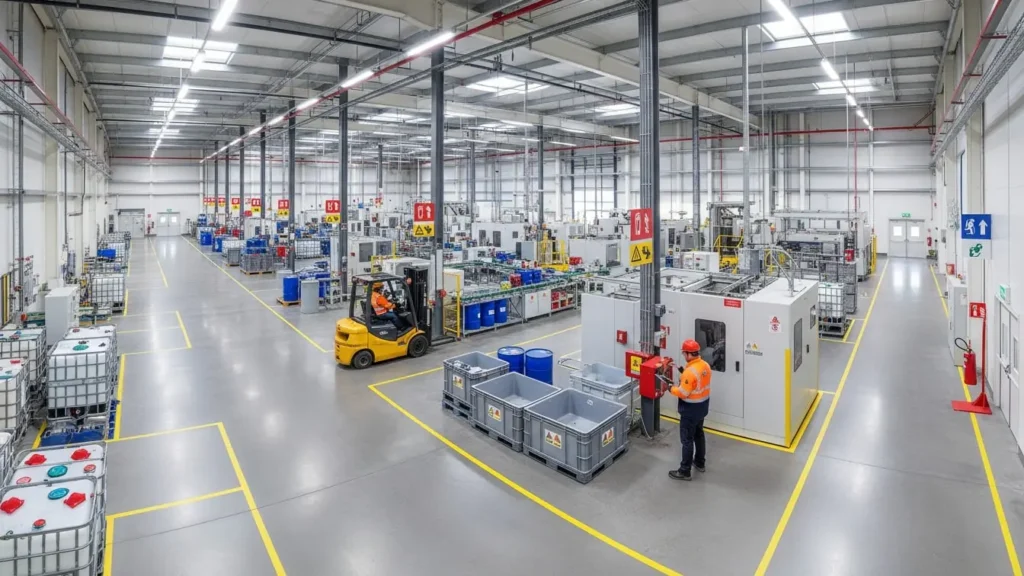
Walk into any manufacturing unit and you can usually tell within minutes how disciplined the operations are — not from the machinery, but from the floors, the dust on the beams, and the state of the loading bay. Cleanliness in a factory isn’t cosmetic. It’s tied directly to safety compliance, equipment life, worker health, and how a facility performs during a client or regulatory audit.
Yet one question comes up constantly from plant managers and facility heads across India: how often should a factory actually be deep cleaned?
There’s no single answer — a food processing unit, an automotive parts plant, and a warehouse have very different cleaning needs. This guide breaks down realistic cleaning frequencies by facility type, the factors that should adjust your schedule, and a practical checklist you can use to build (or audit) your own cleaning calendar in 2026.
Why a Fixed Cleaning Schedule Matters
Most factories in India default to reactive cleaning — cleaning happens when something looks dirty, before an audit, or after a complaint. This approach creates three recurring problems:
- Dust and residue build-up on machinery, which increases wear, raises maintenance costs, and can affect product quality in precision manufacturing.
- Safety hazards — oil spills, blocked walkways, and dust accumulation near electrical panels are common causes of factory floor incidents.
- Failed or rushed audits — ISO, GMP, and client facility audits almost always include a housekeeping and hygiene component, and reactive cleaning rarely holds up under scrutiny.
A structured schedule — daily, weekly, monthly, and quarterly tasks — removes the guesswork and keeps a facility consistently audit-ready instead of scrambling before inspections.
Recommended Cleaning Frequency by Facility Type
1. General Manufacturing & Assembly Units
- Daily: Sweeping and dust removal from floors, workstations, and walkways; waste and scrap disposal; restroom and canteen sanitation.
- Weekly: Floor scrubbing and degreasing, cleaning of machine exteriors, dusting of racks and shelving.
- Monthly: High-level dusting (beams, ducts, overhead structures), deep cleaning of production zones, washroom deep sanitization.
- Quarterly: Full facility deep clean including machinery surroundings, ceiling and rafter cleaning, and pressure washing of external/loading areas.
2. Warehouses & Logistics Hubs
- Daily: Loading dock cleaning, aisle and walkway clearing, spot cleaning of spills.
- Weekly: Floor scrubbing, rack and shelf dusting, waste and packaging debris removal.
- Monthly: High-reach dusting of beams and ceiling structures, deep cleaning of staff and restroom areas.
- Quarterly: Full warehouse deep clean — floor degreasing, dock area pressure washing, pest-prevention focused cleaning of storage zones.
3. Food Processing & Pharmaceutical Facilities
These environments typically require the strictest schedules due to hygiene regulations (FSSAI, GMP, or similar standards):
- Daily: Multiple sanitation cycles for production surfaces, equipment cleaning between shifts, washroom and changing area sanitation.
- Weekly: Deep sanitization of processing equipment, floor and drain cleaning with approved disinfectants.
- Monthly: Full facility audit-style deep clean, HVAC vent and duct inspection cleaning.
- Quarterly: Comprehensive hygiene audit-linked deep clean, often aligned with internal or third-party compliance checks.
4. IT Parks, Corporate Offices & Commercial Units Within Industrial Zones
- Daily: Workstation, pantry, and restroom cleaning.
- Weekly: Carpet and upholstery vacuuming, glass and window cleaning.
- Monthly: Deep cleaning of common areas, AC vent dusting.
- Quarterly: Full deep clean including furniture, upholstery, and hard-to-reach areas.
Factors That Should Adjust Your Schedule
A generic calendar is a starting point, not a rule. These factors should push cleaning frequency higher:
- Production intensity — Facilities running multiple shifts or continuous production generate dust and residue faster and need more frequent cleaning cycles.
- Nature of materials handled — Units working with oil, chemicals, metal shavings, or fine dust (e.g., textiles, cement-adjacent industries) need more frequent floor and equipment cleaning to prevent hazard build-up.
- Regulatory and client audit cycles — If your facility undergoes ISO recertification, client walkthroughs, or safety audits, cleaning should be scheduled a few days ahead, not scrambled the night before.
- Season and location — Facilities near construction zones, unpaved roads, or high-dust industrial belts often need additional interim cleaning between scheduled cycles, especially during Indian summer/dust season.
- Workforce size and footfall — Higher footfall in restrooms, canteens, and common areas naturally requires more frequent sanitation regardless of production type.
2026 Factory Deep Cleaning Checklist
Use this as a working template to structure your own facility’s calendar:
Daily
- Floor sweeping and spot mopping
- Waste and scrap removal
- Restroom and canteen sanitation
- Spill cleanup near machinery and walkways
Weekly
- Floor scrubbing / degreasing
- Rack, shelf, and machine-exterior dusting
- Loading dock and entrance cleaning
Monthly
- High-level dusting (beams, ducts, ceilings)
- Deep sanitization of washrooms and staff areas
- Machinery-surrounding deep clean
Quarterly
- Full facility deep clean
- Pressure washing of external and loading areas
- Pre-audit hygiene and compliance check
Why Professional Deep Cleaning Makes the Difference
In-house housekeeping teams handle daily upkeep well, but the monthly and quarterly deep-cleaning cycles — high-reach dusting, machinery-surrounding cleaning, and full-facility degreasing — require industrial-grade equipment, trained manpower, and documented processes that most internal teams aren’t equipped for.
This is where a professional, ISO-certified cleaning partner adds real value: structured cleaning cycles that don’t interrupt production, documented processes that hold up during audits, and equipment-safe methods that protect machinery rather than just making a facility look clean.
Pinkclean provides ISO-certified deep cleaning services for factories, warehouses, and industrial facilities, with cleaning schedules built around your operational needs — not the other way around. Whether it’s a scheduled quarterly deep clean or a one-time pre-audit cleanup, our teams work with minimal disruption to your production timelines.
Looking to set up a structured cleaning schedule for your facility? Get in touch with Pinkclean for a customized cleaning plan.
