 Skip to main content
How Often Should Warehouse Clean Rooms Be Professionally Cleaned?
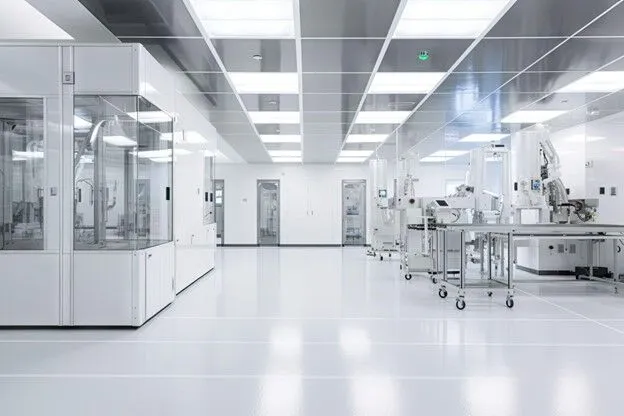
Maintaining a clean room within a warehouse is essential for ensuring product quality, workplace safety, operational efficiency, and regulatory compliance. Industries such as pharmaceuticals, electronics, food processing, healthcare, biotechnology, and advanced manufacturing rely on controlled environments where even the smallest contaminant can affect production processes and inventory integrity.
One of the most common questions warehouse operators ask is: How often should a warehouse clean room be professionally cleaned?
The answer depends on several factors, including the type of products stored, industry regulations, employee traffic, equipment usage, and cleanliness standards required within the facility. While every warehouse has unique requirements, professional clean room cleaning should be performed on a structured schedule to prevent contamination and maintain optimal operating conditions.
Why Cleaning Frequency Matters
Clean rooms are specifically designed to control airborne particles, dust, microorganisms, and other contaminants. However, contamination is continuously introduced through:
- Employee movement
- Incoming inventory
- Equipment operation
- Packaging materials
- Ventilation systems
- Daily warehouse activities
Without regular professional cleaning, contaminants can accumulate over time, increasing the risk of product damage, equipment failure, safety hazards, and regulatory violations.
A proactive cleaning schedule helps maintain clean room standards while reducing long-term operational costs.
Factors That Determine Cleaning Frequency
1. Industry Requirements
Different industries have different contamination control standards.
For example:
- Pharmaceutical warehouses require extremely stringent cleaning schedules.
- Electronics facilities must prevent microscopic dust contamination.
- Food processing warehouses require strict hygiene and sanitation practices.
- Healthcare and medical storage facilities demand regular disinfection.
Facilities operating under ISO Clean Room Standards or GMP guidelines often require more frequent cleaning than general industrial warehouses.
2. Traffic Levels
The more people, equipment, and materials moving through a clean room, the greater the contamination risk.
High-traffic warehouse areas typically require:
- Daily cleaning
- Frequent surface sanitization
- More frequent deep cleaning services
Low-traffic controlled areas may require less frequent intervention but still need routine maintenance.
3. Product Sensitivity
Warehouses storing sensitive products require stricter contamination control measures.
Examples include:
- Pharmaceuticals
- Medical devices
- Electronic components
- Semiconductors
- Laboratory supplies
- Food ingredients
The higher the product sensitivity, the more frequent professional clean room cleaning should be scheduled.
4. Environmental Conditions
Warehouses located in dusty industrial zones or construction-heavy areas often experience higher levels of airborne contamination.
Environmental factors such as:
- Dust
- Humidity
- Temperature fluctuations
- External pollution
can significantly impact cleaning requirements.
Recommended Clean Room Cleaning Schedule
Daily Cleaning
Daily cleaning is essential for maintaining basic cleanliness standards and preventing contamination buildup.
Daily tasks typically include:
- HEPA vacuuming floors
- Surface wiping and sanitization
- Cleaning workstations
- Waste removal
- High-touch point disinfection
- Spot cleaning spills
These activities help maintain a clean and safe environment between professional cleaning sessions.
Weekly Professional Maintenance
Weekly cleaning focuses on areas that may not receive daily attention.
This includes:
- Storage racks
- Shelving systems
- Equipment surfaces
- Air vents
- Partition walls
- Low-level dust removal
Weekly maintenance helps prevent contamination from spreading throughout the facility.
Monthly Deep Cleaning
Monthly deep cleaning is recommended for most warehouse clean rooms.
Services may include:
- Machine scrubbing floors
- High-level dust removal
- Ceiling cleaning
- Wall cleaning
- Equipment detailing
- Ventilation system cleaning
Monthly cleaning helps maintain compliance and improves overall facility hygiene.
Quarterly Comprehensive Cleaning
Every three months, warehouses should undergo a more extensive cleaning program.
This often includes:
- HVAC system cleaning
- High-level structural cleaning
- Lighting fixture cleaning
- Racking system cleaning
- Equipment deep cleaning
- Contamination inspections
Quarterly cleaning helps identify potential issues before they affect operations.
Annual Clean Room Restoration
Many facilities schedule a comprehensive annual clean room cleaning and inspection.
This process includes:
- Full facility deep cleaning
- Air quality assessment
- HVAC performance evaluation
- Contamination risk review
- Compliance preparation
Annual cleaning helps maintain long-term clean room performance and supports regulatory audits.
Signs Your Warehouse Needs Immediate Professional Cleaning
Even if a cleaning schedule is in place, certain warning signs indicate that immediate professional intervention may be required.
These include:
- Visible dust accumulation
- Poor air quality
- Increased equipment maintenance issues
- Employee complaints about cleanliness
- Product contamination incidents
- Failed inspections
- Mold or moisture concerns
- Increased airborne particle counts
Addressing these issues quickly can prevent costly operational disruptions.
Benefits of Regular Professional Clean Room Cleaning
Maintaining a structured cleaning schedule provides numerous advantages:
Improved Compliance
Regular cleaning helps warehouses meet ISO, GMP, food safety, and industry-specific standards.
Better Product Quality
Contamination control protects inventory and minimizes product losses.
Enhanced Workplace Safety
Clean environments reduce slip hazards, airborne particles, and employee health risks.
Increased Equipment Lifespan
Removing dust and debris helps machinery operate more efficiently and reduces maintenance costs.
Higher Operational Efficiency
Clean facilities experience fewer disruptions and support smoother workflows.
Why Choose Pinkclean for Warehouse Clean Room Cleaning?
Pinkclean provides specialized clean room cleaning services for warehouses, manufacturing facilities, pharmaceutical plants, food processing units, logistics centers, and industrial facilities across Bangalore, Mangalore, and Karnataka.
Our trained professionals utilize advanced cleaning equipment, HEPA filtration systems, and ISO-certified cleaning processes to maintain contamination-free environments that meet industry standards.
Whether your facility requires routine maintenance, deep cleaning, or large-scale industrial cleaning services, Pinkclean delivers customized solutions designed to support operational excellence and regulatory compliance.
Conclusion
There is no one-size-fits-all answer to how often a warehouse clean room should be professionally cleaned. The ideal frequency depends on industry requirements, facility usage, contamination risks, and product sensitivity.
However, a combination of daily maintenance, weekly cleaning, monthly deep cleaning, and quarterly professional services provides the foundation for a safe, compliant, and high-performing warehouse environment.
By partnering with an experienced clean room cleaning company like Pinkclean, businesses can maintain the highest standards of cleanliness while protecting their products, employees, and reputation.
