 Skip to main content
1,849 Establishments Inspected: What Karnataka’s Statewide Food Safety Drive Means for Restaurant Owners
Quick answer: In August 2026, Karnataka’s Food Safety Division inspected 1,849 food establishments statewide, collected over 2,400 food samples, and issued notices to 206 establishments with fines totaling roughly ₹55,000 — part of a sustained enforcement push covering hotels, bus stations, and public-facing food outlets. Restaurant and hotel owners should treat this as a signal that inspections are active and ongoing, not a one-time event.
Karnataka’s food safety enforcement isn’t a periodic exercise anymore — it’s an active, expanding effort. In August 2026 alone, the state’s Food Safety Division conducted a statewide drive covering 1,849 establishments, collecting more than 2,400 food samples for laboratory testing. The scale and breadth of this drive — spanning hotels, bus stations, and welfare department establishments — signals that enforcement in Karnataka is broader and more sustained than many food business operators may assume.
What the Drive Covered
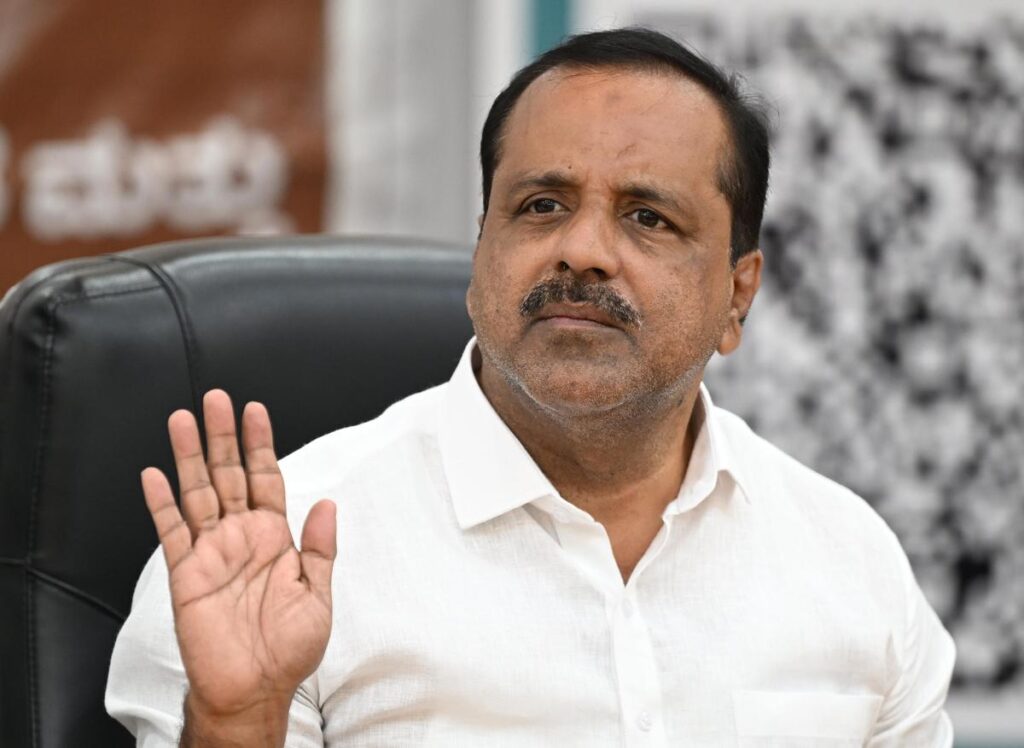
According to Karnataka Health Minister U.T. Khader, the statewide enforcement drive included:
- 629 hotels serving backward-class communities, where 1,860 food samples were collected for lab analysis
- 331 hotels operating under the Department of Social Welfare, with 556 samples collected
- 889 food establishments located at 186 bus stations across the state
- 206 establishments issued notices for unhygienic conditions found during inspection
- Fines totaling approximately ₹55,000 across the drive
This came alongside separate, parallel enforcement activity — including special inspections at railway station catering establishments and prominent Bengaluru clubs — indicating this wasn’t an isolated drive but part of a broader, sustained enforcement pattern across establishment types.
Why the Scale of This Drive Matters
- Breadth across establishment types — this wasn’t limited to a single category; hotels, transit-hub food outlets, and welfare-linked establishments were all covered, suggesting few food business categories are outside the current enforcement scope.
- High sample volume — over 2,400 samples collected in one drive indicates genuine laboratory testing capacity being deployed at scale, not just visual inspections.
- Established follow-through — separately, Karnataka’s FSDA has directed establishments with violations to correct deficiencies within 15 days, with confirmed reinspection to follow — meaning notices issued during drives like this one carry real, timed consequences.
What This Means for Restaurant & Hotel Owners
If your establishment hasn’t been inspected yet, the scale of this drive suggests it’s a matter of when, not if. A few practical implications:
- Documentation matters — inspectors expect operators to provide records and cooperate fully; having up-to-date cleaning logs and FSSAI licensing readily available reduces friction during an inspection.
- Sample-based testing means food quality, not just visible cleanliness, is being assessed — over 2,400 samples were sent for lab analysis in this drive alone, meaning ingredient and preparation quality are under scrutiny, not just how clean a kitchen looks.
- Notices lead to reinspection — the 206 establishments issued notices in this drive should expect follow-up checks, consistent with Karnataka’s broader 15-day compliance policy.
Proactive Compliance Checklist
- Confirm FSSAI licence/registration is current and prominently available
- Schedule a full kitchen and storage deep clean if it hasn’t been done recently
- Review food sourcing and storage practices, since lab sample testing checks food quality, not just surface cleanliness
- Maintain documented, dated cleaning and pest control records
- Brief staff on hygiene protocols and inspection cooperation procedures
- Address any known deficiencies before an inspection occurs, rather than after a notice is issued
Frequently Asked Questions
How often does Karnataka conduct statewide food safety drives? Based on recent activity, enforcement drives have been frequent and overlapping throughout 2026 — covering hotels, railway catering, bus stations, and clubs within the same general period — suggesting this is now a sustained enforcement posture rather than an occasional event.
What happens to the establishments that received notices in this drive? Establishments issued notices are expected to correct the cited deficiencies, consistent with Karnataka’s broader 15-day compliance directive, after which Food Safety Officers conduct reinspections.
Does this enforcement drive apply to small restaurants, or just large hotels? The drive covered a broad range of establishment types and scales — from large hotels to smaller food outlets at bus stations — indicating enforcement isn’t limited to bigger establishments.
What’s the best way to prepare for a potential inspection? A proactive, documented deep cleaning and hygiene maintenance program — rather than a one-time cleanup — is the most reliable way to be consistently inspection-ready, since officers assess both current conditions and recent maintenance records.
Staying Ahead of Karnataka’s Enforcement Activity
With enforcement this active and broad in scope, restaurant and hotel operators are better served by treating hygiene as an ongoing operational standard rather than something addressed only before an anticipated inspection.
Pinkclean provides ISO-certified deep cleaning and hygiene maintenance for restaurants, hotels, and food service establishments across Karnataka, with documented cleaning schedules that help operators stay consistently inspection-ready rather than reactive.
Want to get ahead of Karnataka’s ongoing enforcement drives? Contact Pinkclean for a hygiene assessment and cleaning plan.
